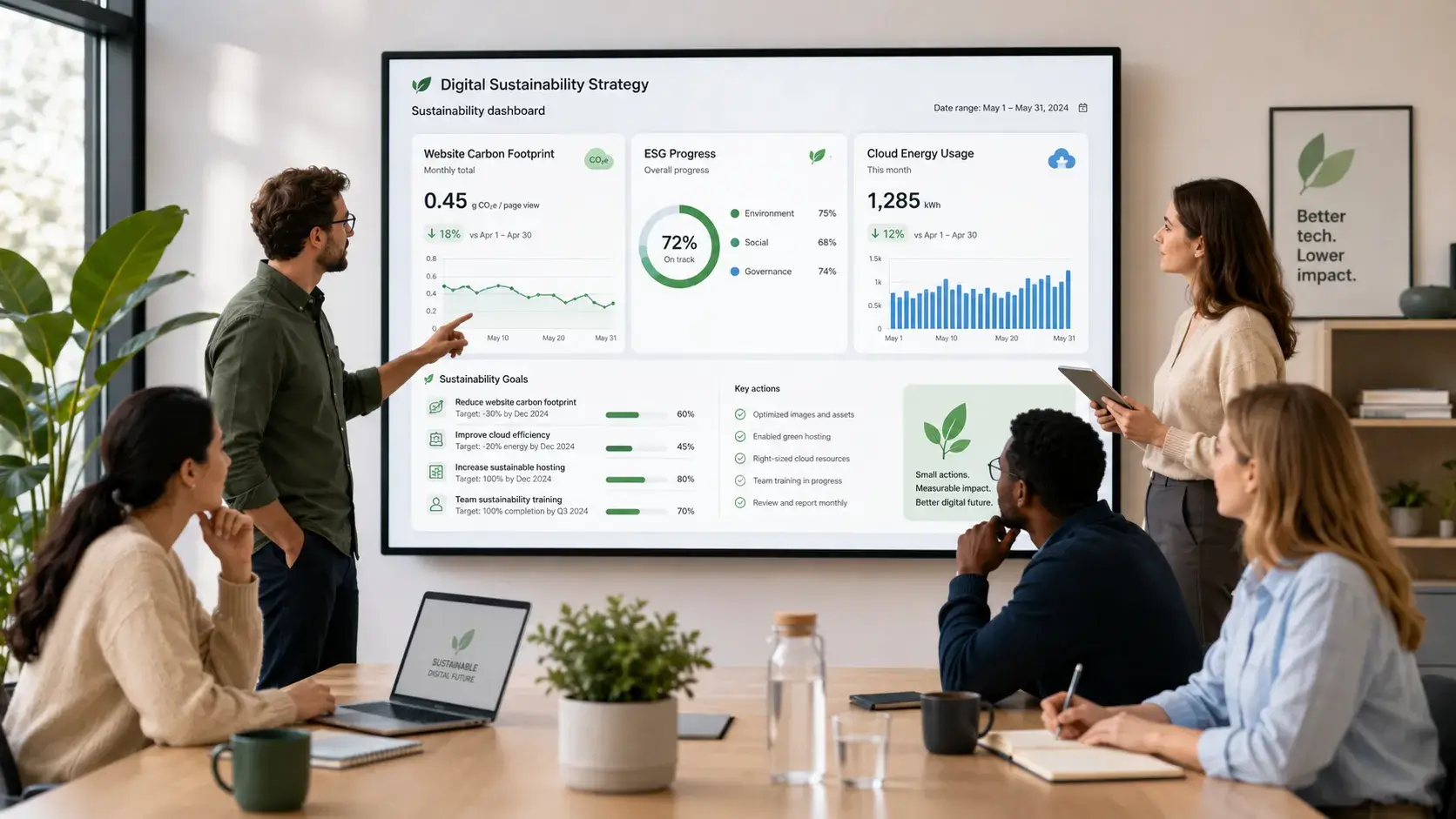

Businesses can reduce emissions through energy efficiency, sustainable transportation, and supply chain management. Benefits include cost savings, improved brand image, and regulatory compliance, supporting environmental and business sustainability.
Understanding Carbon Emissions
Understanding carbon reduction is not just about knowing the definition; it’s also about understanding the implications. It involves understanding the science behind carbon emissions, their impact on our environment, and the various strategies that can be employed to mitigate these emissions.
It’s essential to understand what carbon emissions are.
Carbon emissions refer to the release of carbon dioxide (CO2) and other greenhouse gases into the atmosphere. These emissions primarily originate from the burning of fossil fuels, such as coal, oil, and natural gas, for energy and transportation purposes.
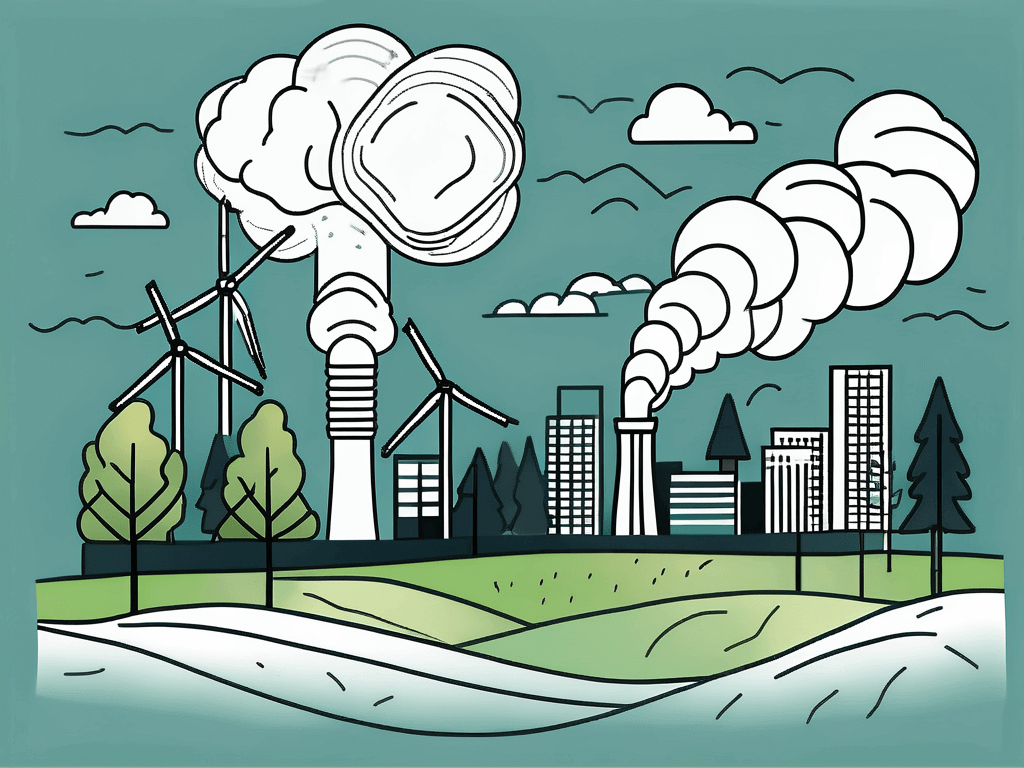
Carbon emissions are a major contributor to global warming and climate change. As these greenhouse gases accumulate in our atmosphere, they trap heat from the sun, resulting in the Earth’s average temperature rising. This process, known as the greenhouse effect, is causing a range of environmental issues, including rising sea levels, extreme weather events, and biodiversity loss.
The Role of Businesses in Carbon Emissions
Businesses play a significant role in carbon emissions. From manufacturing processes that rely on fossil fuels to transportation methods that use gasoline, businesses are important contributors to carbon emissions.

Industrial processes contribute approximately 23% of total U.S. greenhouse gas emissions.
However, businesses also have the power to make a significant impact in reducing carbon emissions. By adopting sustainable operations, companies can not only reduce their carbon footprint but also save money, enhance their image, and meet the increasing demand of consumers for environmentally friendly products and services.
Measuring Carbon Emissions
Measuring carbon emissions is a crucial step in the process of carbon reduction. By understanding the amount of carbon a business emits, it can identify areas for improvement and track progress over time. Carbon emissions are typically measured in metric tons of CO2 equivalent (CO2e), which accounts for the different global warming potentials of various greenhouse gases.
There are various methods for measuring carbon emissions, from simple online calculators to more complex lifecycle assessments. The choice of method will depend on the size and nature of the business, as well as the resources available for measurement.
Strategies for Carbon Reduction
There is no one-size-fits-all approach to carbon reduction; instead, businesses should consider a combination of strategies that best fit their operations and goals.

It’s also important to note that carbon reduction is not just about making significant changes. Small, incremental changes can also have a substantial impact over time. So, whether you’re a small business owner looking to make your operations more sustainable or a sustainability manager at a large corporation, there are plenty of strategies you can implement to reduce your carbon emissions.
Energy Efficiency
Improving energy efficiency is one of the most effective ways to reduce carbon emissions. This can involve making changes to your physical infrastructure, such as installing energy-efficient lighting or insulation, or changing behaviours, such as turning off lights and computers when they’re not in use.
There are also many energy-efficient technologies available that can help businesses reduce their energy use. For example, companies can install solar panels to generate their renewable energy, or utilise energy management systems to monitor and control their energy usage.
Transportation
Transportation is another primary source of carbon emissions for many businesses. This can include emissions from company vehicles, employee commuting, and the transportation of goods and materials. Businesses can reduce these emissions by implementing strategies such as encouraging carpooling or public transportation, using electric or hybrid vehicles, and optimising delivery routes.
For businesses that rely heavily on transportation, such as logistics companies, reducing carbon emissions can be more challenging. However, there are still many strategies that can be employed, such as using more fuel-efficient vehicles, optimising routes to reduce mileage, and switching to lower-carbon fuels.
Supply Chain Management
For many businesses, a significant portion of their carbon emissions comes from their supply chain. This includes emissions from the production, transportation, and disposal of the goods and services they purchase. By implementing sustainable supply chain management practices, businesses can significantly reduce their carbon emissions.
This can involve selecting suppliers with sustainable operations, minimising the amount of materials used in production, and implementing recycling or reuse programs. It can also include collaborating with suppliers to enhance their carbon reduction efforts, creating a ripple effect that can result in substantial reductions in emissions.
Benefits of Carbon Reduction

While the primary goal of carbon reduction is to reduce greenhouse gas emissions and mitigate climate change, businesses can also reap numerous other benefits from implementing carbon reduction strategies. These benefits can help companies not only in their sustainability efforts but also in their overall success and profitability.
Cost Savings
One of the most immediate benefits of carbon reduction is cost savings. Many carbon reduction strategies, such as improving energy efficiency or reducing waste, can also lead to significant cost savings. For example, by using energy more efficiently, businesses can reduce their energy bills. Similarly, by reducing waste, companies can save on disposal costs and potentially generate revenue from selling recyclable materials.
These cost savings can be substantial, particularly for businesses with significant energy and water usage or waste streams. In fact, according to a report by the Carbon Trust, companies can achieve an average internal rate of return of 15% on their low-carbon investments.
Improved Brand Image
In today’s increasingly environmentally conscious society, businesses that demonstrate a commitment to sustainability can improve their brand image and attract more customers.
Popular health and sustainability claims in the US were analysed through the lens of shoppers in each “Green Divide” consumer segment: Evangelists, Healthy Me & Planet, Minimalists, Idealists, and Sceptics.
Nielson, 2023
By reducing their carbon emissions, businesses can demonstrate their commitment to sustainability and attract environmentally conscious consumers. This can lead to increased sales, customer loyalty, and overall business success.
Regulatory Compliance
As governments worldwide become increasingly aware of the need for carbon reduction, they are implementing more stringent regulations on carbon emissions. By implementing carbon reduction strategies, businesses can ensure compliance with these regulations and avoid potential fines or penalties.
By being proactive in their carbon reduction efforts, businesses can stay ahead of future regulations and avoid the need for costly last-minute changes. This can give them a competitive advantage in their industry.
Conclusion
Carbon reduction is a crucial aspect of sustainability, especially in the business sector. By understanding what carbon emissions are, how they’re measured, and the various strategies for reducing them, businesses can make a significant impact in mitigating climate change.
Not only does carbon reduction help protect our planet, but it also offers numerous benefits for businesses, including cost savings, enhanced brand image, and improved regulatory compliance.
Whether you’re a small business owner or a sustainability manager at a large corporation, implementing carbon-reduction strategies can help you achieve your sustainability goals and ensure your business’s long-term future.