

Twelve days of Christmas
Making celebrations sustainable
What are the twelve days of Christmas?
We all know the popular Christmas song, ‘The Twelve Days of Christmas’, with its ‘partridge in a pear tree’ and ‘Five gold rings!’, but what sustainable facts relate to these twelve days?
The original twelve days of Christmas were a series of religious feast days celebrated as part of the Roman Catholic religion in medieval and Tudor England.
Starting on Christmas Day, there were twelve days of religious celebrations, feasting and entertainment that lasted until 5th January.

Visit each day to see our next 12 Christmas sustainability stats.
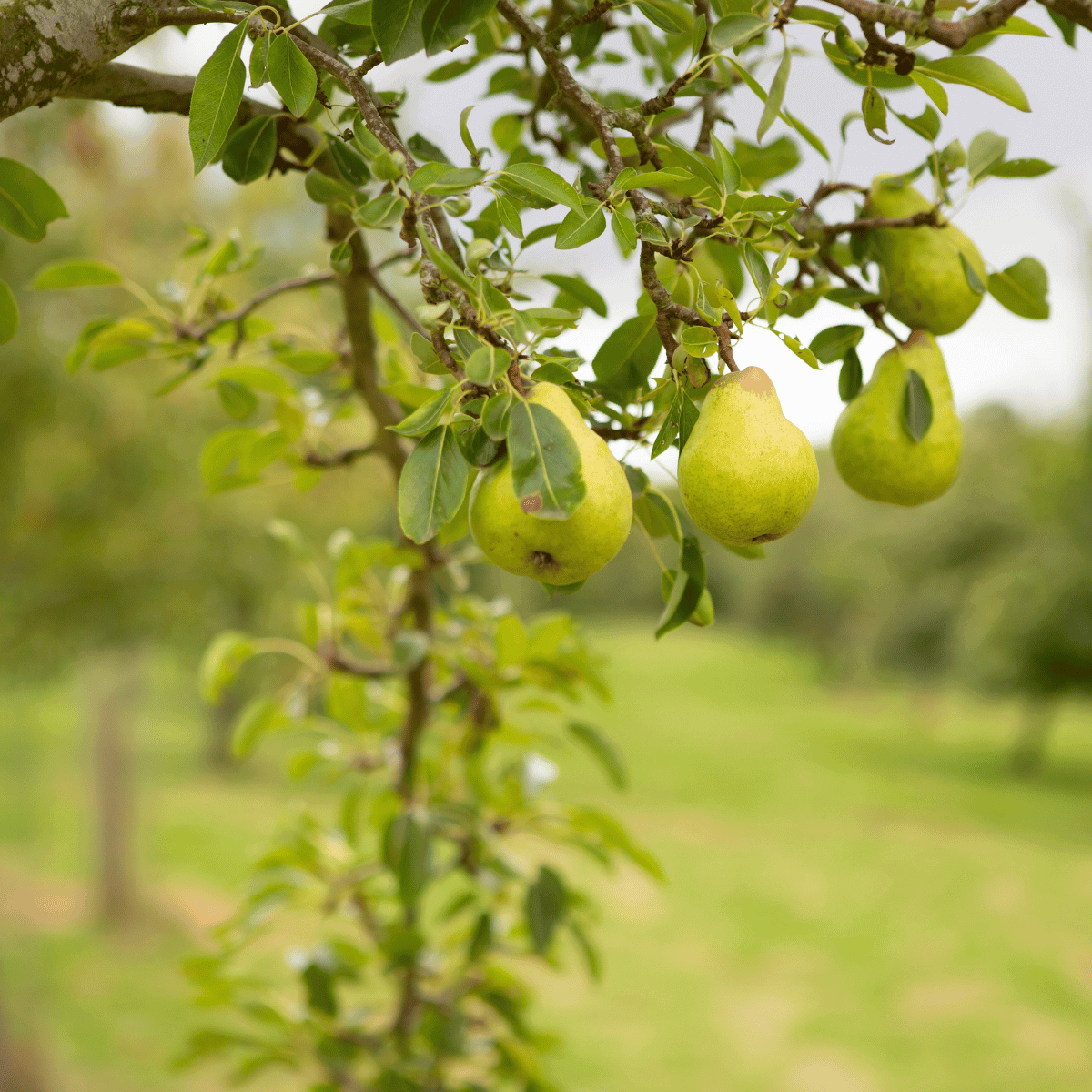
On the first day of Christmas, my true love gave to me A Partridge in a Pear Tree
The partridge in a pear tree represents Jesus, the Son of God, whose birthday we celebrate on the first day of Christmas. Christ is symbolically presented as a mother partridge, the only bird that will die to protect its young.
Pear trees absorb approximately 10kg of CO₂ per year and store this carbon in their biomass. They can produce up to 70kg of fruit annually, reducing the need for food miles and packaging waste. An acre of new forest can absorb around 2.5 metric tons of CO₂ per year.
Source: RICS, 2021
Photo: Pear Tree
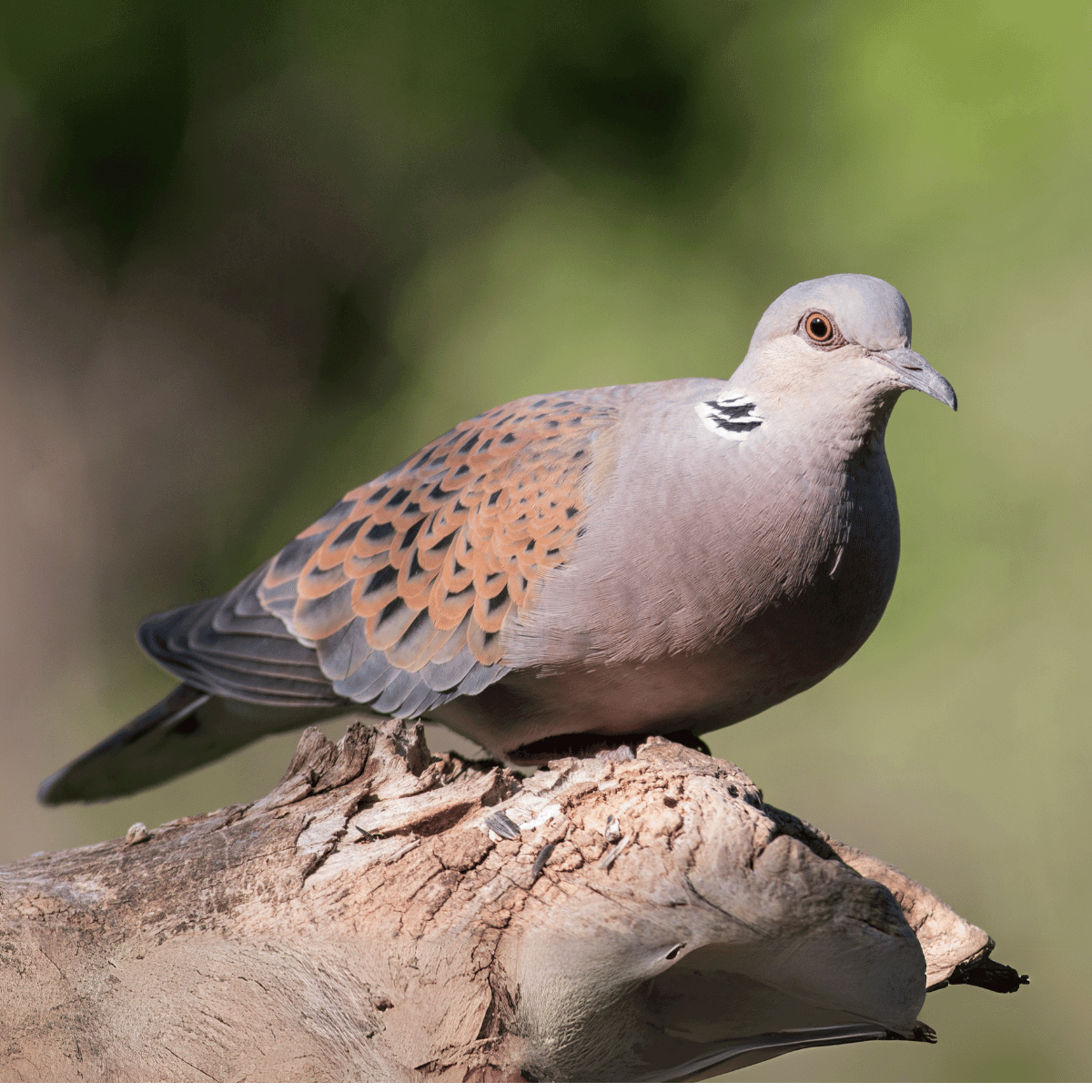
On the second day of Christmas, my true love gave to me Two Turtle Doves
These twin birds represent the Old and New Testaments. So, in this gift, the singer finds the complete story of the Christian faith and God’s plan for the world. The doves are the biblical roadmap that is available to everyone.
The European Turtle Dove has experienced significant declines due to habitat loss. Conservation efforts, such as Operation Turtle Dove, work with farmers and landowners to restore habitats, including hedgerows and wildflower-rich areas, benefiting turtle doves and other species.
Restoring one acre of wild grassland can support dozens of species and sequester over one metric ton of CO₂ annually.
Source: RSPB, 2023
Photo: Turtle Dove
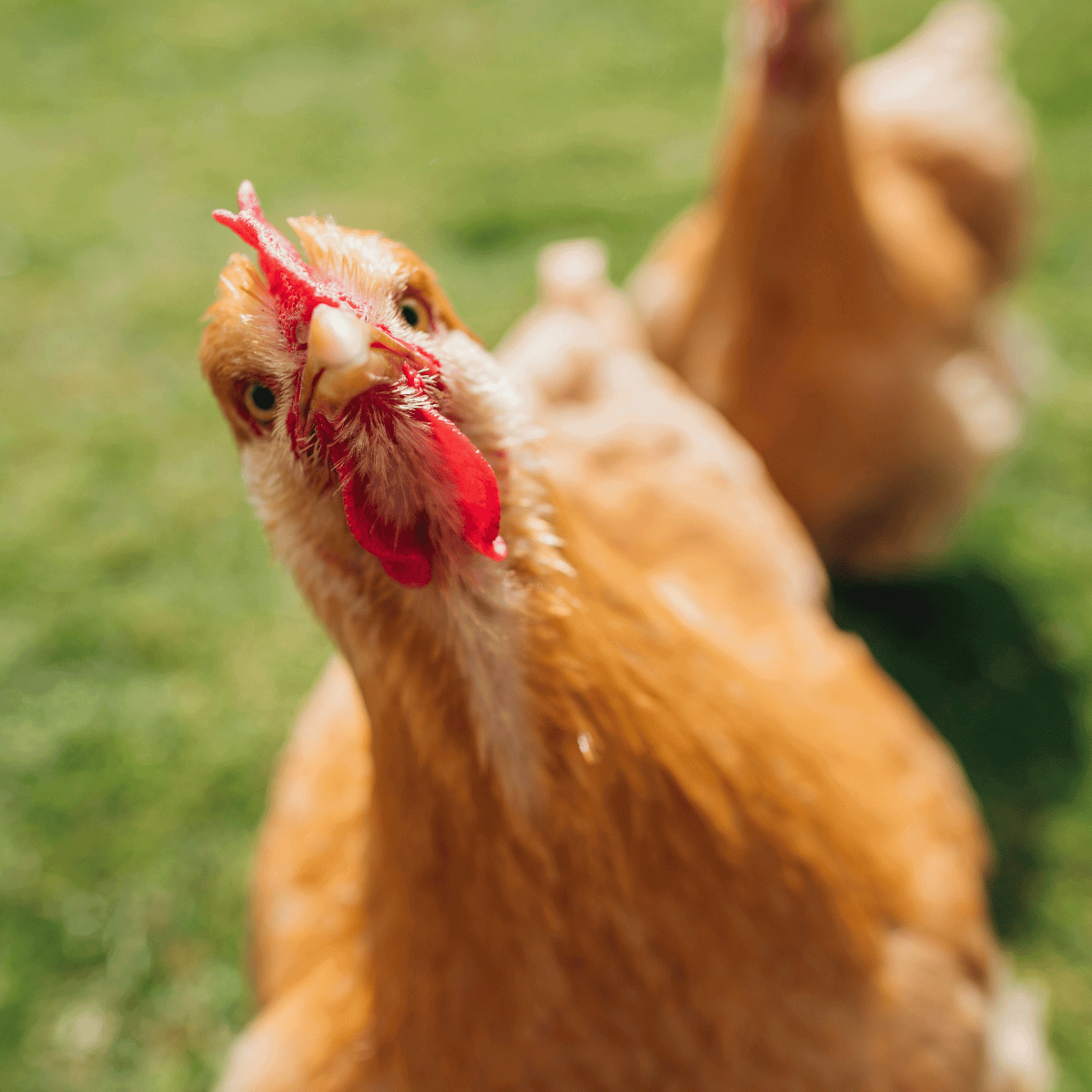
On the third day of Christmas, my true love gave to me Three French Hens
These birds represent faith, hope, and love. This gift relates to 1 Corinthians 13, written by the Apostle Paul. It also represents the Holy Trinity: The Father, Son, and Holy Spirit
Backyard poultry can help reduce food waste by consuming kitchen scraps, which would otherwise contribute to landfill waste and methane emissions. This can save an average family over 100kg of food waste per year, turning scraps into fresh eggs and compost.
Source: Unsustainable Magazine, 2024
Photo: French Hen
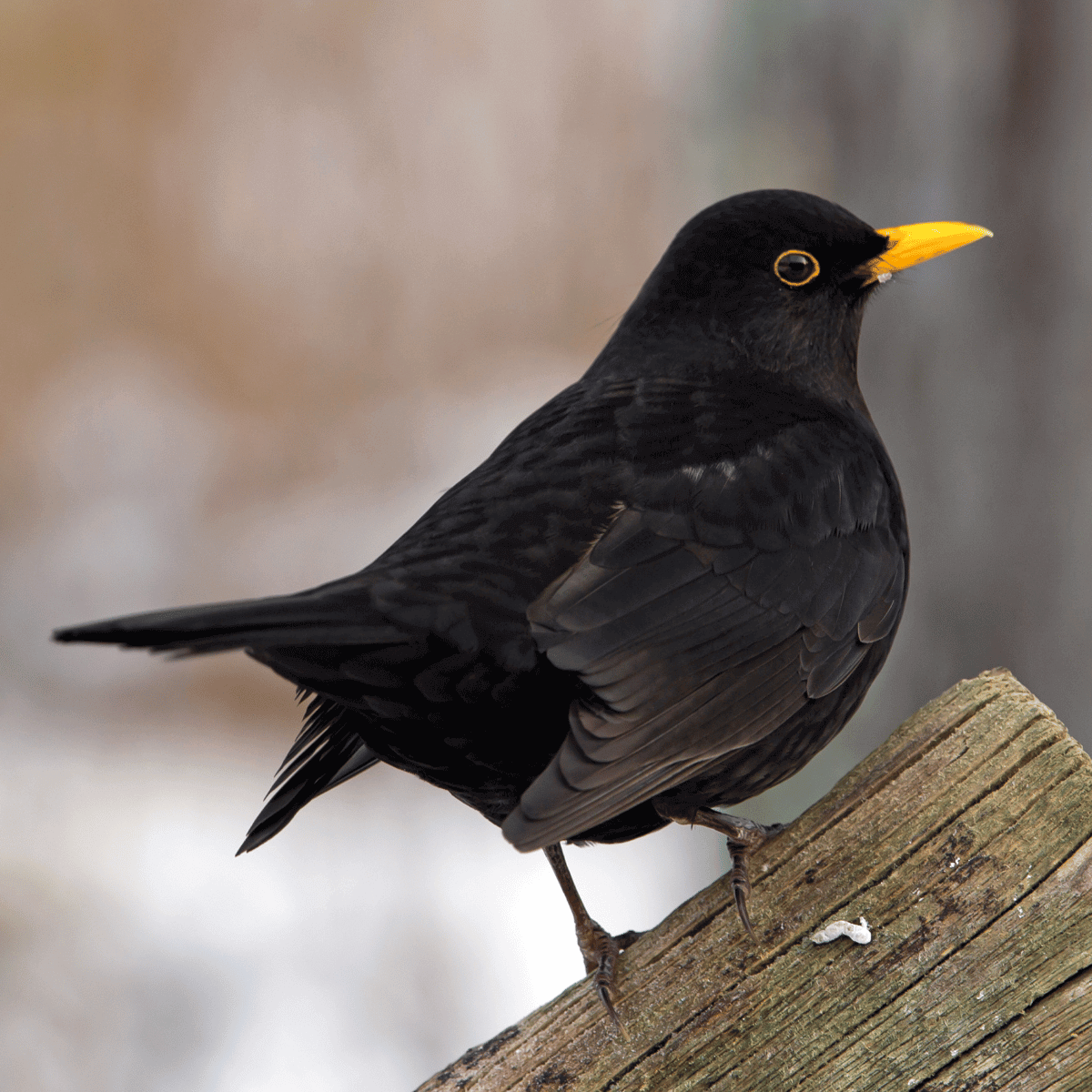
On the fourth day of Christmas, my true love gave to me Four Calling Birds
These songbirds represent the four Gospels
- Matthew
- Mark
- Luke
- John.
Planting bird-friendly trees and shrubs enhances urban green spaces, providing habitats for various songbird species and contributing to urban biodiversity. Urban trees also improve air quality. Planting just four native trees can create oxygen for ten people each year!
Source: Natural History Museum
Photo: Blackbird
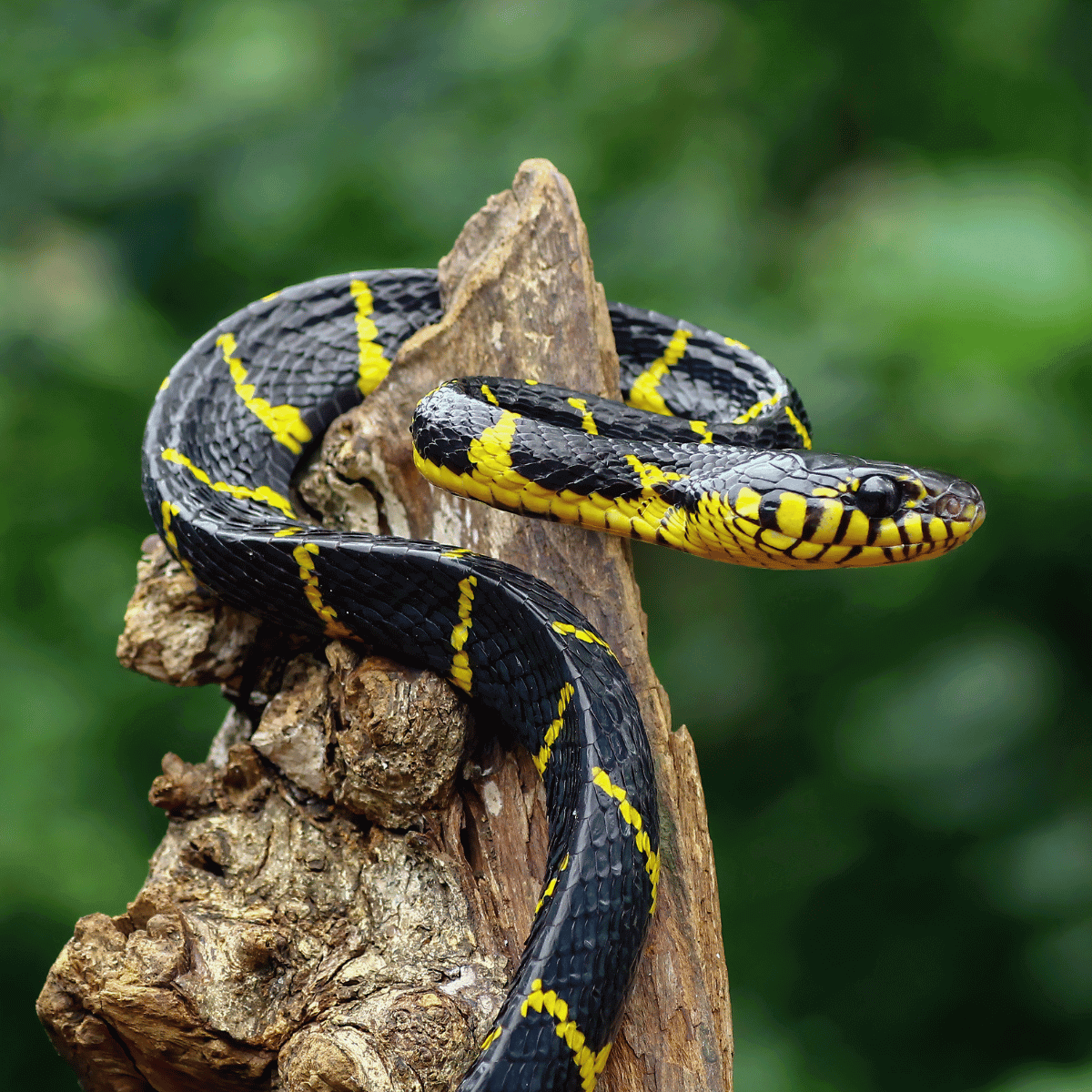
On the fifth day of Christmas, my true love gave to me Five Gold Rings
The gift of the gold rings represents the first five books of the Old Testament, known as the Torah or the Pentateuch.
- Genesis
- Exodus
- Leviticus
- Numbers
- Deuteronomy.
Recycling gold reduces the environmental impact associated with gold mining, which is known to be environmentally destructive. Recycling five gold rings prevents five metric tons of mining waste?
Source: Financial Times, 2024
Photo: Gold Ringed Catsnake

On the sixth day of Christmas, my true love gave to me Six Geese a-Laying
These lyrics can be traced back to the first story found in the Bible. Each goose egg is a day in creation when God “hatched” or formed the world.
- God created the heavens and the earth
- God created the sky and seas
- God created the land and plants
- God created the sun, moon, and stars
- God created fish and birds
- God created land animals and man
Geese naturally control weeds, reducing the need for herbicides and preserving two metric tons of topsoil each year.
Source: The Poultry Site
Photo: Goose
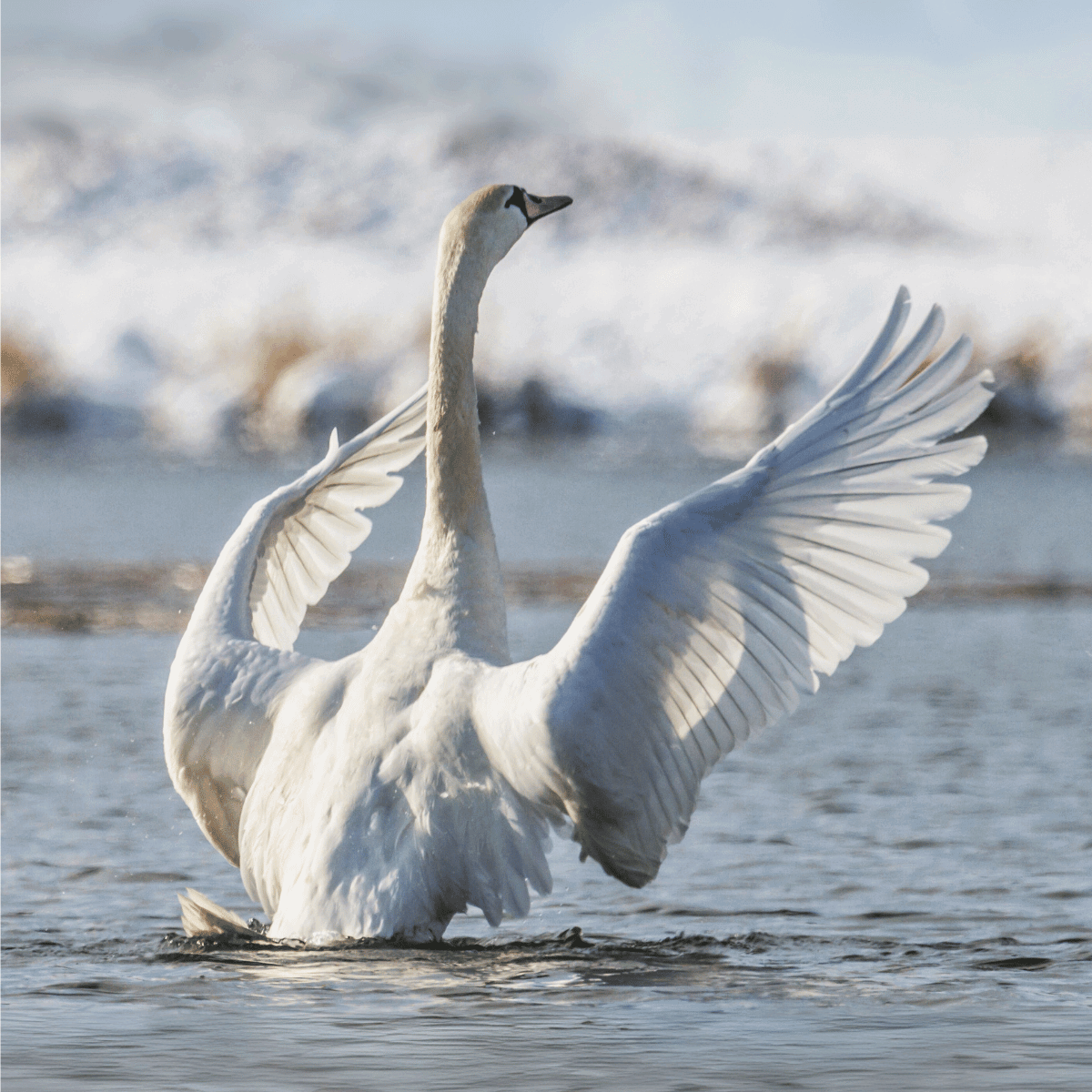
On the seventh day of Christmas, my true love gave to me Seven Swans a-Swimming
Swans are one of the most beautiful and graceful birds and represent the seven spiritual gifts of the Holy Spirit:
- Prophecy
- Ministry
- Teaching
- Exhortation
- Giving
- Leading
- Compassion
Wetlands, which support species like swans, are crucial in carbon sequestration and water purification. Wetlands filter seven million gallons of water annually and store carbon equivalent to four acres of forest.
Source: WWT
Photo: Swan

On the eighth day of Christmas, my true love gave to me Eight Maids a-Milking
Being a milkmaid was one of the worst jobs in England during this period; this code conveyed that Jesus cared as much about servants as he did those of royal blood. The Eight Maids represent the eight Beatitudes, from Matthew 5:3-10: Blessed are…
- the poor in spirit: for theirs is the kingdom of heaven.
- Those who mourn: for they shall be comforted.
- The meek: for they shall inherit the earth.
- Those who hunger and thirst for righteousness: for they shall be filled.
- The merciful: for they shall obtain mercy.
- The pure in heart: for they shall see God.
- The peacemakers: for they shall be called children of God.
- They which are persecuted for righteousness sake: for theirs is the kingdom of heaven.
Producing a litre of dairy milk requires approximately 628 litres of water, while plant-based alternatives require significantly less. Soy milk requires around 28 litres of water per litre of milk. So, switching to plant-based milk is a small change with a significant impact.
Source: BBC, 2019
Photo: Soya plant
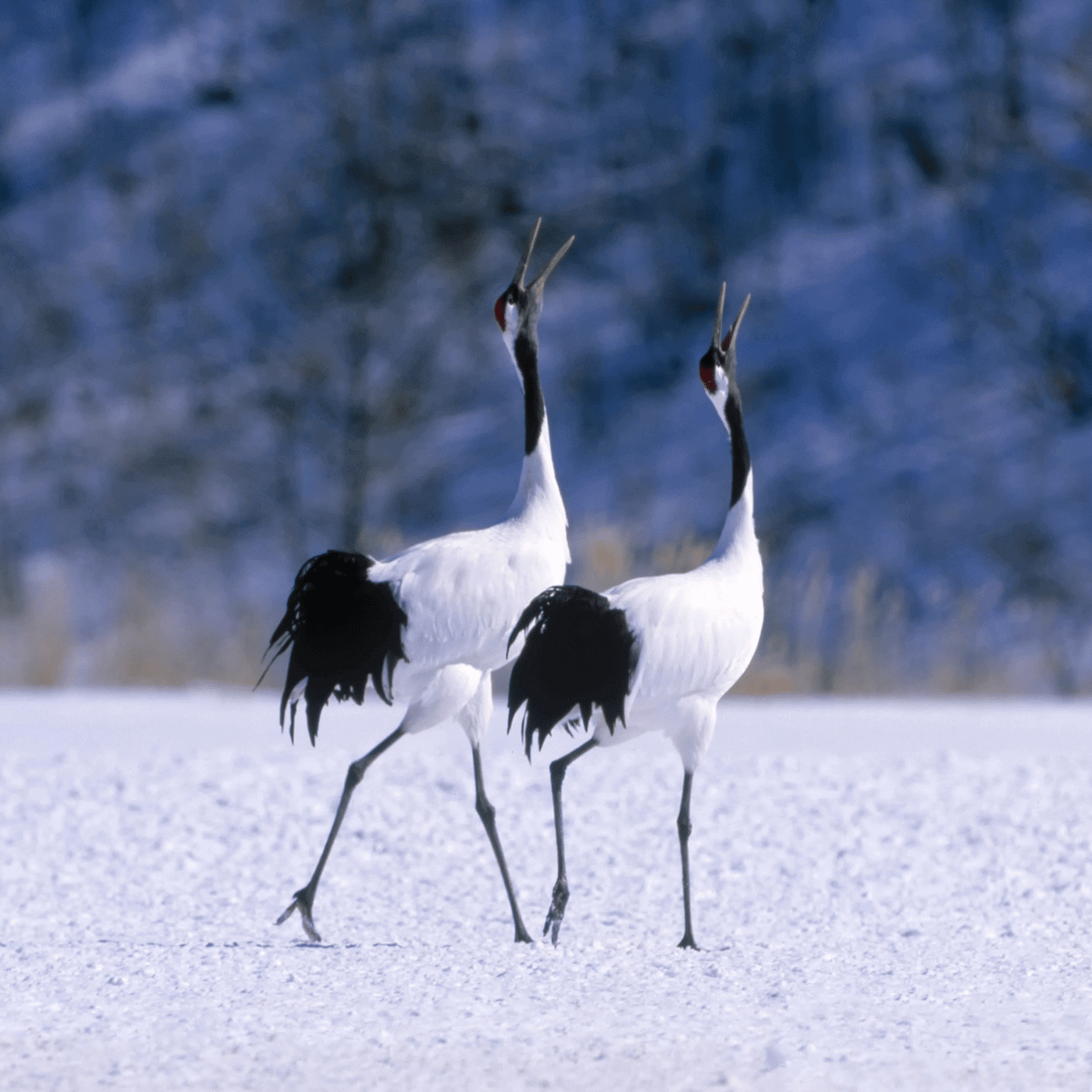
On the ninth day of Christmas, my true love gave to me Nine Ladies Dancing
These nine dancers were the gifts known as the fruit of the Spirit, which include:
- Love
- Joy
- Peace
- Patience
- Kindness
- Goodness
- Faithfulness
- Gentleness
- Self-control
Dance studios and other buildings implementing energy-efficient lighting and HVAC systems can significantly reduce energy consumption and greenhouse gas emissions. An energy-efficient studio saving 9,000 kWh per year, saves 6.4 metric tons of CO₂, the same as taking two cars off the road.
Source: Julies Bicycle
Photo: Dancing Cranes
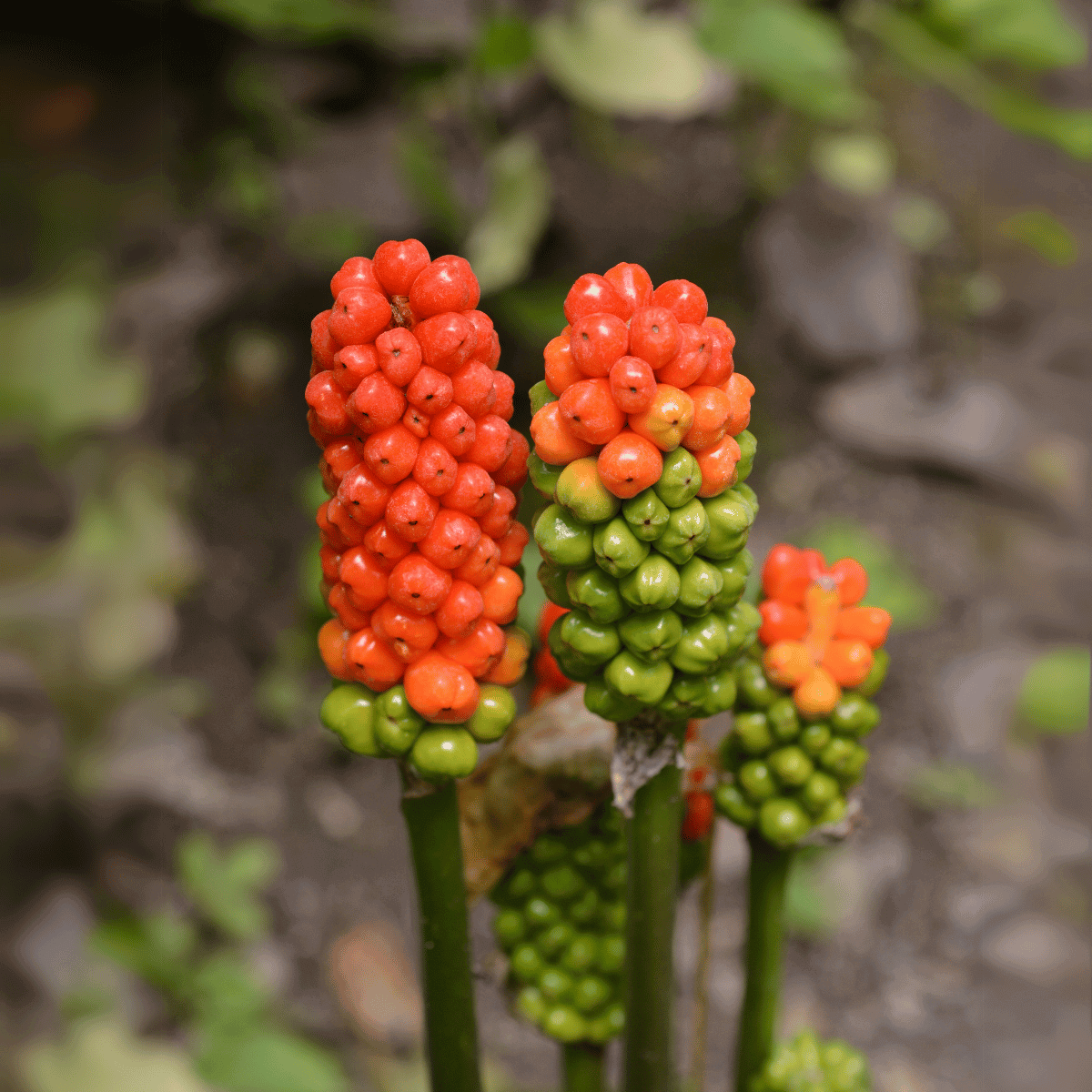
On the tenth day of Christmas, my true love gave to me Ten Lords a-Leaping
As lords were judges and in charge of the law, this code for the Ten Commandments was fairly straightforward to Christians.
- Thou shall have no other gods before me
- Thou shalt not make unto thee any graven image
- Thou shalt not take the name of the Lord thy God in vain
- Remember the Sabbath Day to keep it holy
- Honour thy father and mother
- Thou shalt not kill
- Thou shalt not commit adultery
- Thou shalt not steal
- Thou shalt not bear false witness against thy neighbour
- Thou shalt not covet
Energy-efficient building designs can substantially reduce CO₂ emissions compared to traditional construction methods. A green building can save ten metric tons of CO₂ annually.
Source: RIBA, 2021
Photo: Lords and Ladies Berries

On the eleventh day of Christmas, my true love gave to me Eleven Pipers Piping
Most people think of the disciples in terms of the twelve. But when Judas betrayed Jesus, only eleven men carried out the gospel message. Therefore, the Eleven Pipers Piping signify the eleven faithful disciples:
- Simon (whom He named Peter)
- Andrew
- James
- John
- Philip
- Bartholomew
- Matthew
- Thomas
- James, son of Alphaeus
- Simon, who was called the Zealot
- Judas, son of James
Transitioning to renewable energy sources like wind power can significantly reduce household CO₂ emissions. Wind energy can cut eleven metric tons of CO₂ per household per year, the equivalent of planting 130 trees!
Source: Local Government Association
Photo: Piper
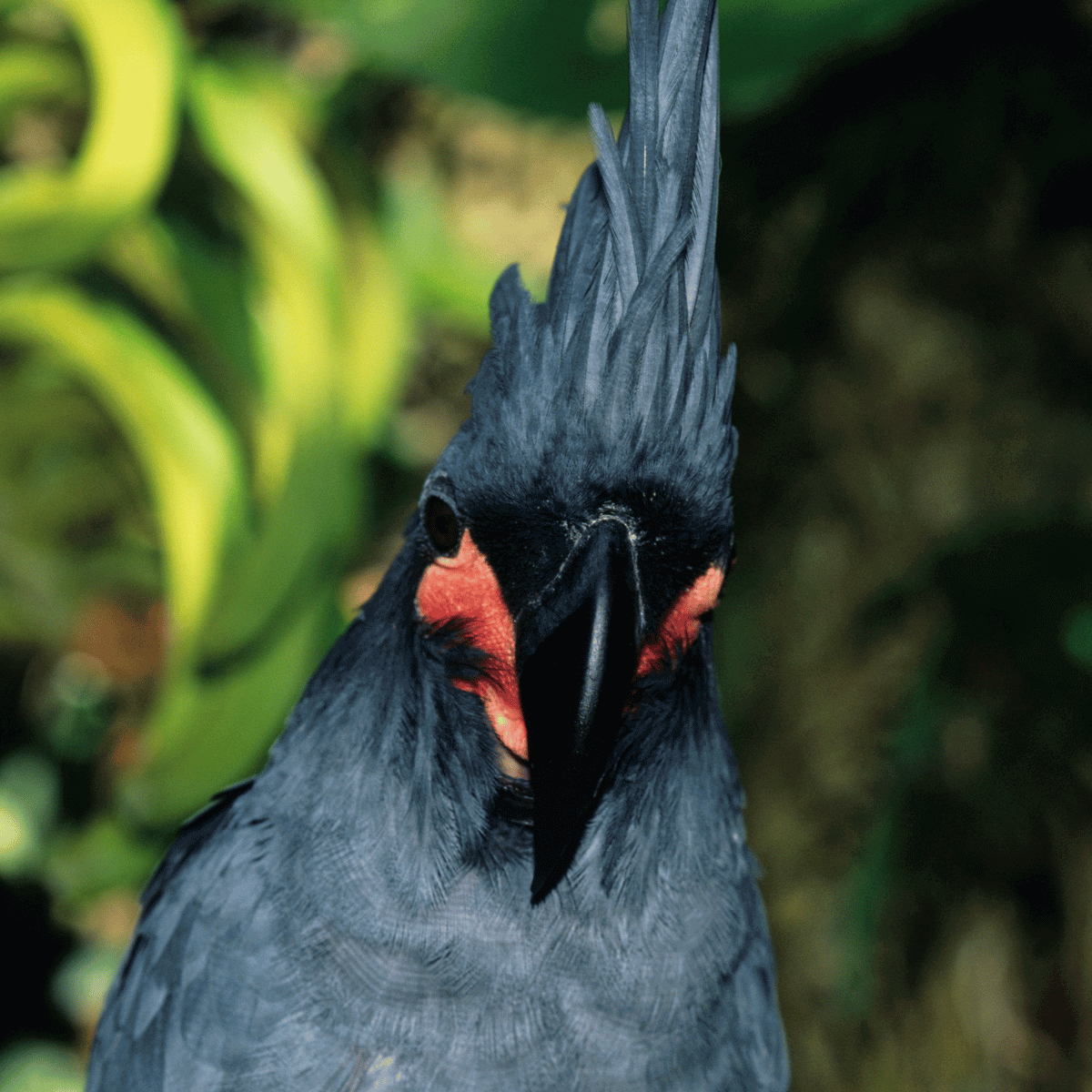
On the twelfth day of Christmas, my true love gave to me Twelve Drummers Drumming
The final gift is related directly to the Catholic Church. The drummers are the twelve points of doctrine in the Apostles’ Creed.
- I believe in God, the Father almighty, creator of heaven and earth.
- I believe in Jesus Christ, his only Son, our Lord.
- He was conceived by the power of the Holy Spirit and born of the Virgin Mary.
- He suffered under Pontius Pilate, was crucified, died, and was buried.
- He descended into hell. On the third day, He rose again.
- He ascended into heaven and is seated at the right hand of God the Father Almighty.
- He will come again to judge the living and the dead.
- I believe in the Holy Spirit,
- the holy catholic Church, the communion of saints,
- the forgiveness of sins,
- the resurrection of the body,
- and the life everlasting.
Using eco-friendly materials in manufacturing musical instruments can reduce environmental impact and promote sustainability in the arts. Eco-friendly materials for drums and other instruments can prevent 25kg of non-biodegradable waste.
Source: BBC Classical Music, 2022
Photo: Palm Cockatoo (uses a drumstick)

Ready to get started with Kanoppi?
Our innovative WordPress plugin is in private beta testing and launching soon. If you are interested, please request a demo and join our waiting list.