

52 Weeks of Sustainability
Our year-long guide to greener living
52 weeks of sustainabiity
Going green one week at a time!
That’s why we’ve created this weekly guide: to provide you with practical, actionable advice every week of the year. Going green can feel overwhelming, but small, consistent changes add up to a big impact.
We have ideas tailored to life in the UK, from reducing household waste to making greener choices in your everyday activities. These tips are designed to suit a variety of lifestyles and are backed by reliable UK-based sources.
Each week, you’ll find a focused tip that aligns with the seasons, local resources, and environmental goals. So you can learn how to save energy in winter, support British wildlife in spring, and celebrate holidays more sustainably.

Visit each week to see our next sustainability tip.

Week 22: Green Roofing
Fact: Green roofs improve insulation and absorb rainwater, reducing urban heat islands. They are increasingly popular in UK cities.
Source: GreenBuildingAlliance.org
Image Description: A building with a lush green roof.

Week 21: Harvesting Rainwater
Fact: A rain barrel in the UK can save up to 1,300 gallons of water during peak summer months.
Source: Waterwise.org.uk
Image Description: A rain barrel collecting water near a garden.

Week 20: Sustainable Fashion
Fact: Buying second-hand clothing in UK charity shops saves resources and reduces waste. According to a study by Oxfam, buying a second-hand T-shirt and pair of jeans could save the equivalent of 20,000 standard bottles of water.
Source: Oxfam.org.uk
Image Description: A charity shop with vibrant clothing displays.

Week 19: Wildlife Conservation
Fact: Conserving UK habitats ensures biodiversity and balances ecosystems. Support rewilding projects to protect native species.
Source: RewildingBritain.org.uk
Image Description: A Little Owl.
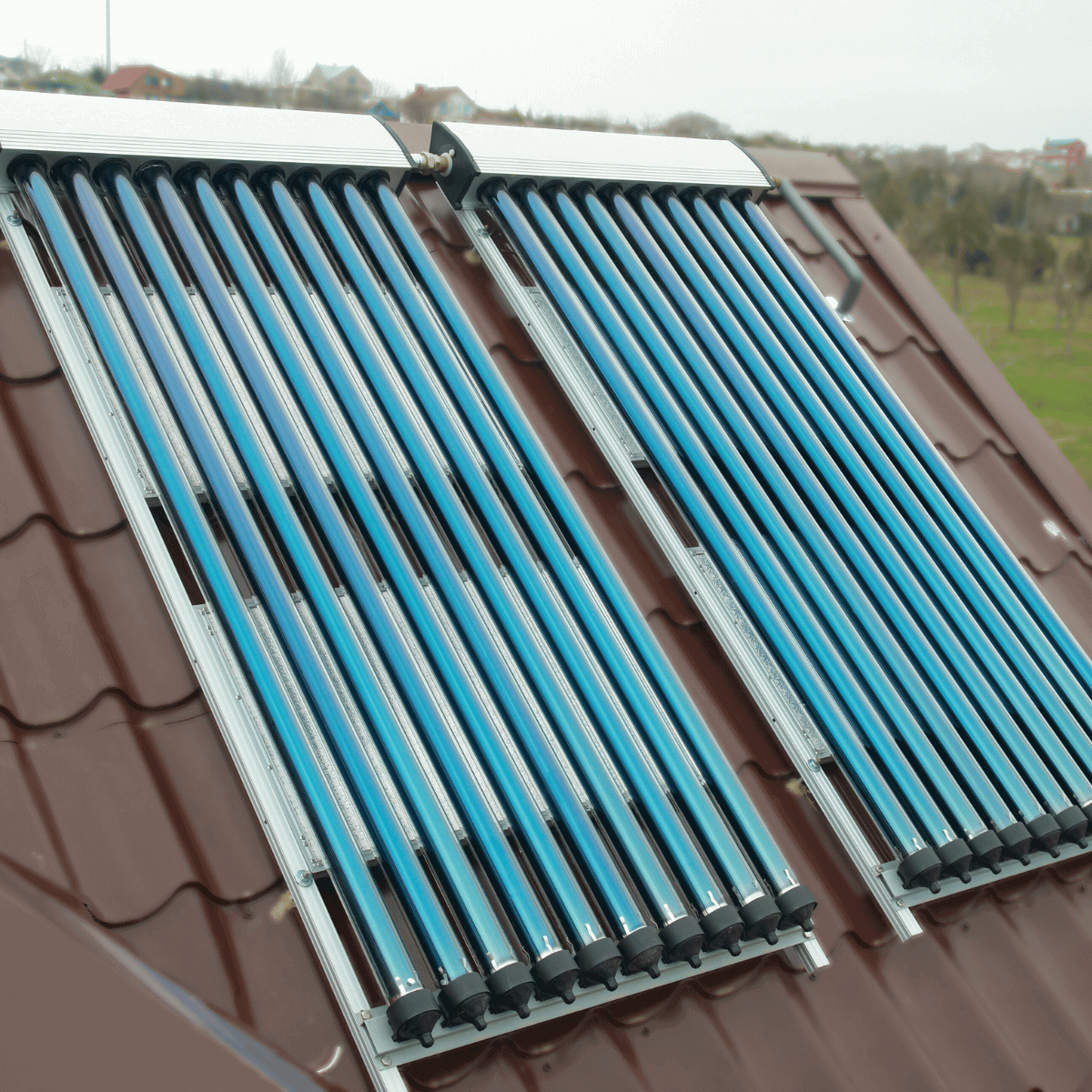
Week 18: Solar Water Heating
Fact: Solar water heaters can significantly reduce energy bills and are supported by the UK’s Renewable Heat Incentive scheme.
Source: EnergySavingTrust.org.uk
Image Description: A rooftop with solar water heating panels.

Week 17: Earth Day 2025
Fact: Earth Day is 22nd April, so join activities in the UK to raise awareness and take action for the planet.
Source: EarthDay.org
Image Description: .

Week 16: Reusable Bags
Fact: In the UK, the introduction of a 5p charge for single-use plastic bags led to a drop in usage by over 98% at major retailers, preventing more than 7 billion plastic bags from entering circulation annually.
Source: WeForum.org
Image Description: A canvas tote bag at a market.

Week 15: Biking to Work
Fact: Cycling instead of driving reduces greenhouse gas emissions and improves air quality. Many UK cities have dedicated cycling lanes and bike hire schemes.
Source: Sustrans.org.uk
Image Description: A commuter with a bicycle in a city.

Week 14: Energy audits
Fact: Conducting a home energy audit in the UK can help identify ways to save energy and reduce costs.
Source: EnergySavingTrust.org.uk
Image Description: Thermal imaging camera on houses.

Week 13: Energy-efficient appliances
Fact: Energy-efficient appliances can save UK households hundreds of pounds annually on energy bills. Look for the A+++ energy rating.
Source: EnergySavingTrust.org.uk
Image Description: Energy-efficient appliances and energy rating.
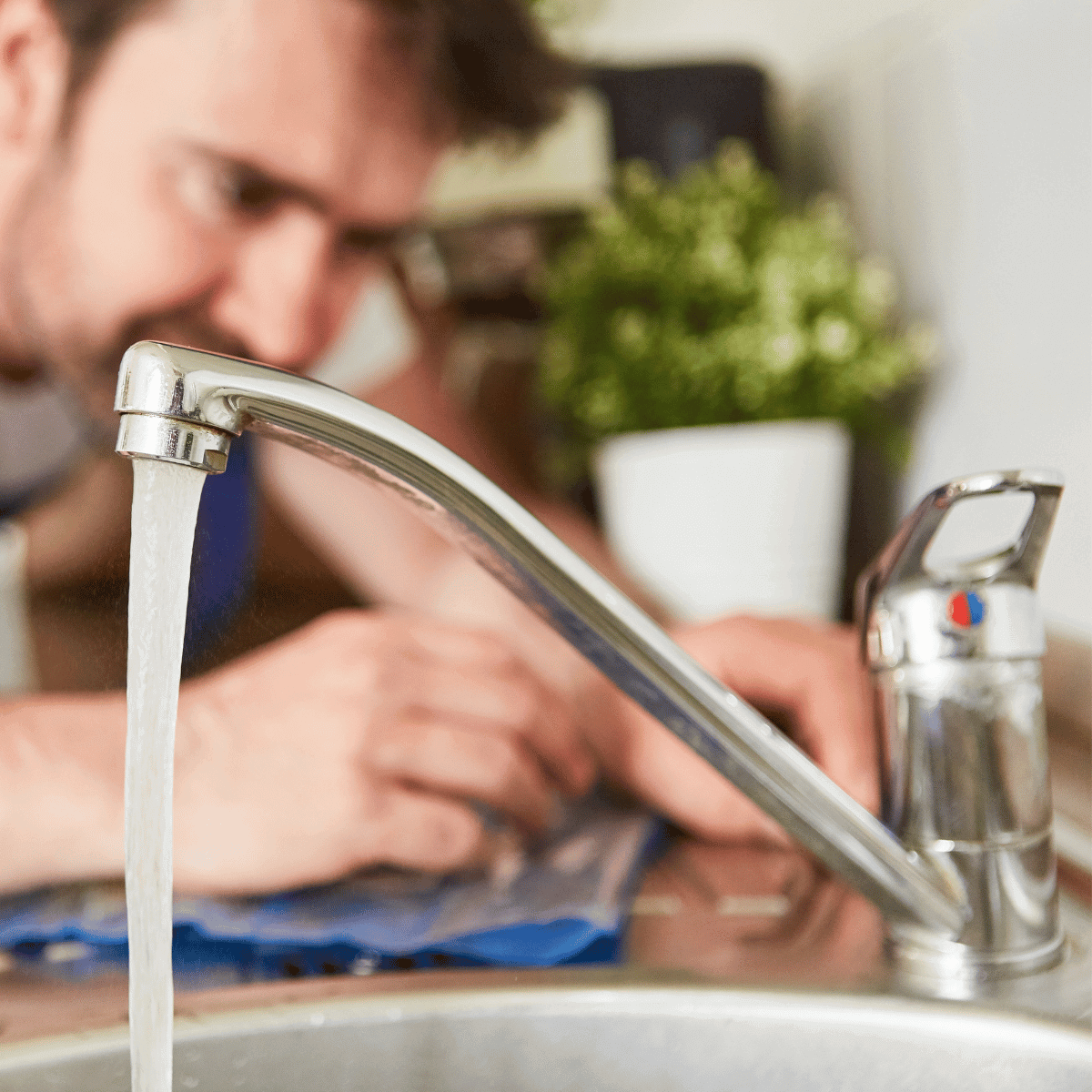
Week 12: Water conservation
Fact: Fixing a dripping tap can save over 5,000 litres of water a year in the UK.
Source: Waterwise.org.uk
Image Description: A dripping tap being repaired.
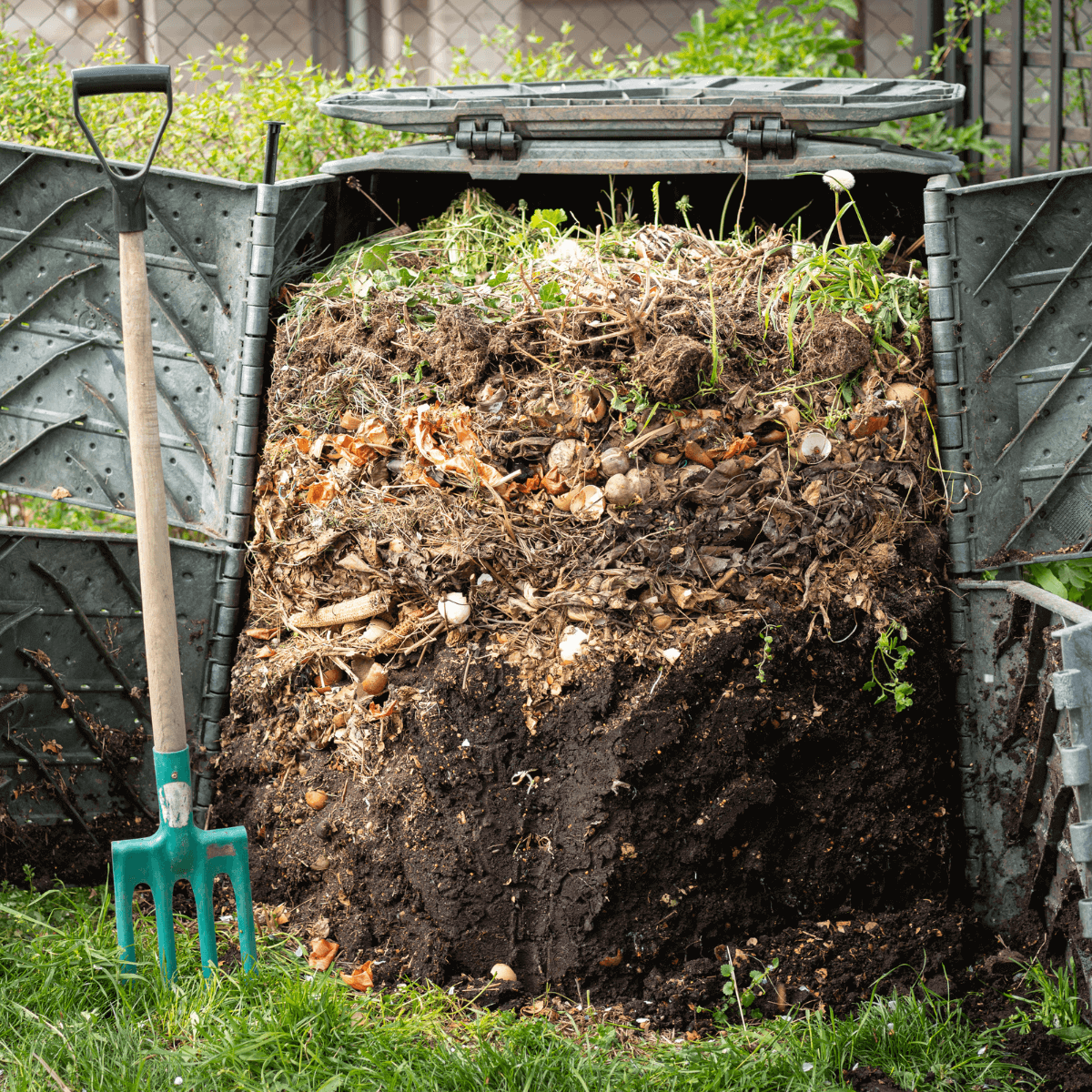
Week 11: Composting
Fact: Composting organic waste reduces landfill contributions and enriches soil. Local councils in the UK often provide subsidised compost bins.
Source: RecycleNow.com
Photo: A backyard compost bin with visible layers of organic waste.

Week 10: Spring Gardening
Fact: Growing your own vegetables can reduce your reliance on carbon-intensive food supply chains. The Royal Horticultural Society provides tips for beginners in the UK.
Source: rhs.org.uk/vegetables
Photo: A backyard vegetable garden.

Week 9: Eco-Friendly Cleaning
Fact: Homemade cleaning products using natural ingredients like vinegar and bicarbonate of soda are effective and eco-friendly.
Source: FriendsOfTheEarth.uk
Photo: Bottles of DIY cleaning solutions with natural ingredients.

Week 8: Local Produce
Fact: Eating seasonal and locally grown produce in the UK reduces the carbon footprint of imported food.
Source: SoilAssociation.org
Photo: A vibrant selection of vegetables.

Week 7: Sustainable Valentine’s Day
Fact: Choose British-grown flowers or Fairtrade-certified chocolates to celebrate Valentine’s Day sustainably.
Source: Fairtrade.org.uk
Photo: A bouquet of Fairtrade-certified roses.

Week 6: LED Lighting
Fact: LED bulbs use at least 75% less energy than incandescent lighting and are widely available in UK shops.
Source: EnergySavingTrust.org.uk
Photo: A range of LED lights.

Week 5: Reusable Bottles
Fact: Switching to a reusable water bottle can save hundreds of single-use plastic bottles annually. Many UK cities now offer free water refill points.
- Less plastic waste = A healthier planet.
- Save money while reducing your carbon footprint.
Source: Refill.org.uk
Photo: A stainless-steel water bottle on a table.

Week 4: Solar Energy in Winter
Fact: Solar panels can still generate electricity in the UK during winter months, especially on bright, clear days.
The orientation and tilt of your roof affect how much electricity your solar panels generate. Ideally, your roof should face due south at a 30° angle.
Source: EnergySavingTrust.org.uk
Photo: Snow-covered rooftop with solar panels

Week 3: Reducing Food Waste
Fact: UK households waste around 6.6 million tonnes of food annually – enough to fill 66,000 double-decker buses.
Simple steps to cut food waste:
- Plan your meals – Shop smarter and avoid overbuying.
- Love your leftovers – Get creative and turn extras into new dishes.
- Freeze it – Save food (and money) for another day.
Source: WRAP.ngo
Photo: A kitchen counter with a compost bin

Week 2: Recycling Electronics
Fact: Recycling your old electronics responsibly can prevent harmful substances from entering the environment and conserve valuable materials.
In the UK, it’s easier than you think:
- Local Recycling Centres – Drop off your unwanted devices safely
- Retailer Take-Back Schemes – Many stores will recycle old electronics when you upgrade.
Source: RecycleNow.com
Photo: A pile of electronics being responsibly recycled

Week 1: Winter Energy Saving
Fact: Insulating your home can save up to 20% on heating costs and reduce your carbon footprint significantly.
In the UK, grants are available for home insulation through the ECO4 scheme for people on low incomes.
Source: Gov.uk
Photo: Home insulation being installed
Making small changes in our everyday lives
Our goal is to inspire and empower you to take small steps toward greater sustainability. And together, these changes can help reduce your carbon footprint, conserve resources, and create a healthier planet for future generations.
We hope this guide not only informs but also motivates you to explore new ways of living sustainably. Let’s make 2026 a year of positive change – one week at a time.
Read our blog for more carbon footprint news and sustainability tips.


Stay in the know with our Byte-Sized Impact newsletter
We make it easy to keep up with the latest thoughts on digital sustainability and website performance and decide what’s best to focus on.
As a Kanoppi newsletter subscriber, you’ll receive monthly emails with practical sustainability tips and insights that will help you improve your website.
"*" indicates required fields